Ketchup
How the tomatoes were cannedPart 8 of 8
Mr. Poisson explains how tomato leftovers, skins and peelings, became a boiled pulp shipped to the Old City plant in Quebec City, where a blend of spices turned it into ketchup.
Written in French by Alain Manset, September 25, 2018. Quotations from period documents are left in the original. Lire l’original en français.
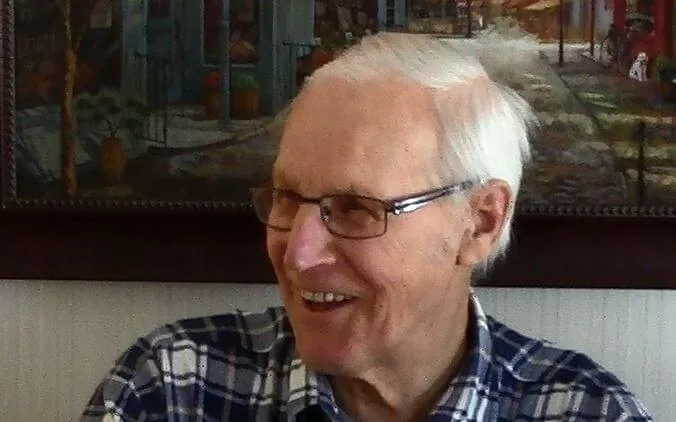
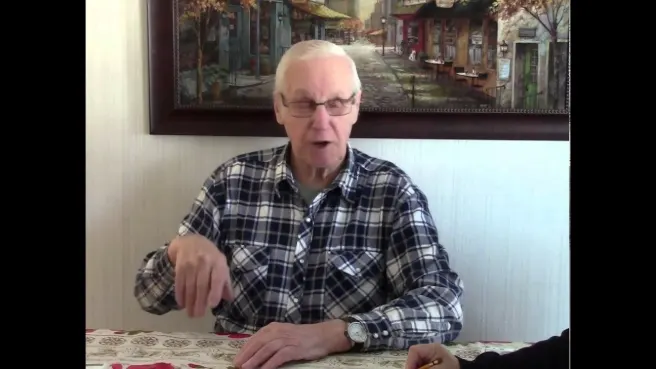
Ketchup was made from tomato leftovers, skins and peelings; it was all reduced to a pulp, boiled, and shipped to Quebec City to the Old City plant, where a clever blend of spices gave the preparation an incomparable flavour. Mr. Poisson reveals its secrets to us…
In this series
Where this article sits
About the Society
A group of volunteers researching, preserving and publishing the history and genealogy of the Lévrard-Becquet seigneury since 2002.
shglb.com/en/le-ketchup/