Carried off by Abenakis!
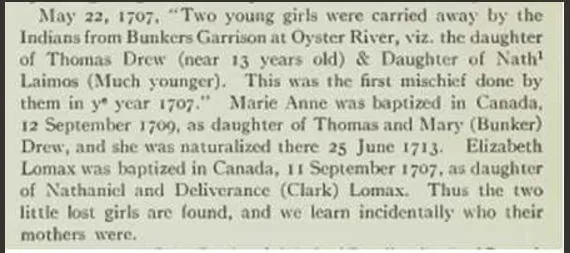
On 22 May 1707 at Oyster River, New Hampshire, two little girls were carried off by Abenakis to New France. Marie Anne Drew, 11, was baptised there, married Étienne Lafond and founded a lineage.
Written in French by Alain Manset, May 27, 2017. Quotations from period documents are left in the original. Lire l’original en français.
In the year of grace 1707…
On that fine day of 22 May, at the end of spring, two little girls were playing in the fields around their homes at Oyster River, New Hampshire. Marie Anne Drew, daughter of Thomas Drew and Mary Bunker, was 11 years old, while her friend Élizabeth Lomax, daughter of Nathaniel Lomax and Deliverance Clark, was a little younger.
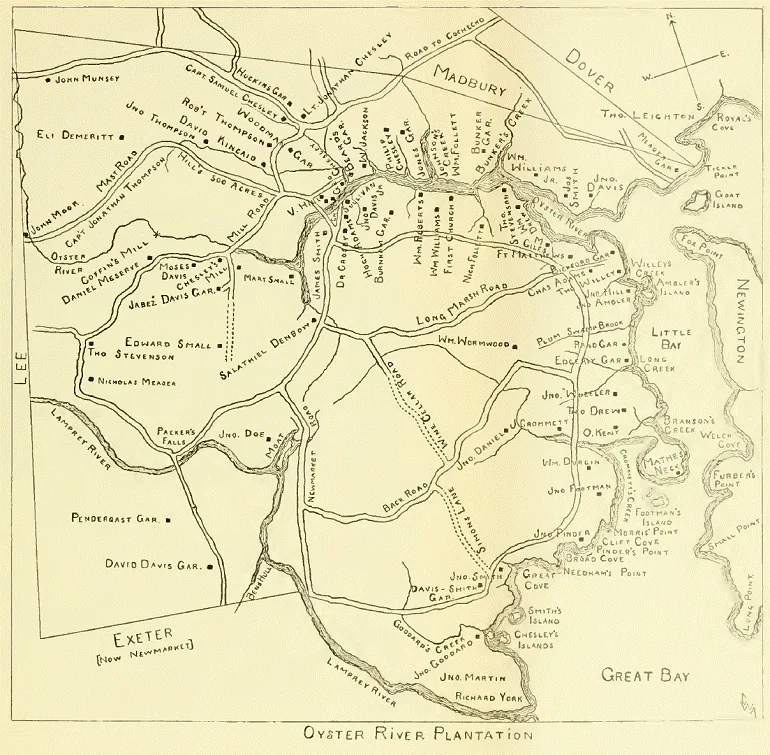
Thomas Drew was a cooper in the small settlement, the father of some ten children, and he worked hard to earn his living.
The countryside was quiet, the birds were singing, the flowers were opening in the warm sun. Life was sweet for these two friends.

All at once, several Indians burst out of the thickets behind the girls and seized them roughly. Struggle and scream as they might, they were thrown over the shoulders of two of the men, who fled at once.

By the time the neighbours reacted, the abductors had already reached the shadow of the nearby forest. The children were bound, gagged and thrown into the bottom of a bark canoe that had been hidden on the bank of a stream close by.
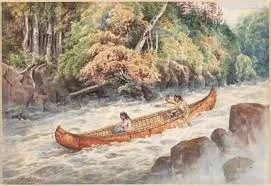
Despite the efforts of the parents, the neighbours and the local militia, the Indians were not overtaken, and little Marie Anne and Elizabeth, terrified, after a few days by canoe soon found themselves in Abenaki camps in New France. It was one raid among so many others in New England.
Why did the Abenakis, whom we know as so calm and level-headed, act in this way? It should be remembered that they had formerly occupied the region of Maine and New Hampshire, and that, driven north without mercy by the English colonists, they nursed a stubborn resentment against those intruders. Warmly received by the French of the St. Lawrence valley, they quickly became their allies and carried out bloody raids against their oppressors.
What did they do with their captives? They served as bargaining chips for ransom, were sold as slaves, replaced a warrior fallen in battle, became life companions, or, in extreme cases, were tortured and killed to satisfy a thirst for revenge. Two little girls might also meet another fate.
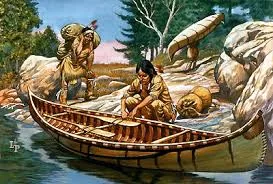
After a rapid flight, avoiding any fire so as not to be spotted, the kidnappers and the two children soon arrived at Abenaki camps near their French allies. The captors already had some idea of what awaited the girls: the French had a distaste for certain practices such as torture or ill-treatment, and faced with two little girls held prisoner they would be inclined to buy them and raise them properly, which is to say in the Catholic religion.
Indeed, we know that Elizabeth Lomax was baptised as early as the following 11 September, her adoptive parents having feared for the salvation of her soul.
Marie Anne Drew, for her part, was taken in by Monsieur Dumontier, secretary to Philippe Rigault, governor general of New France. She could not have fallen into better hands. Her religious education was less hurried, and she was baptised on 20 October 1709 at Québec. She probably studied with the Ursulines of Québec, as did many young girls of the colony.
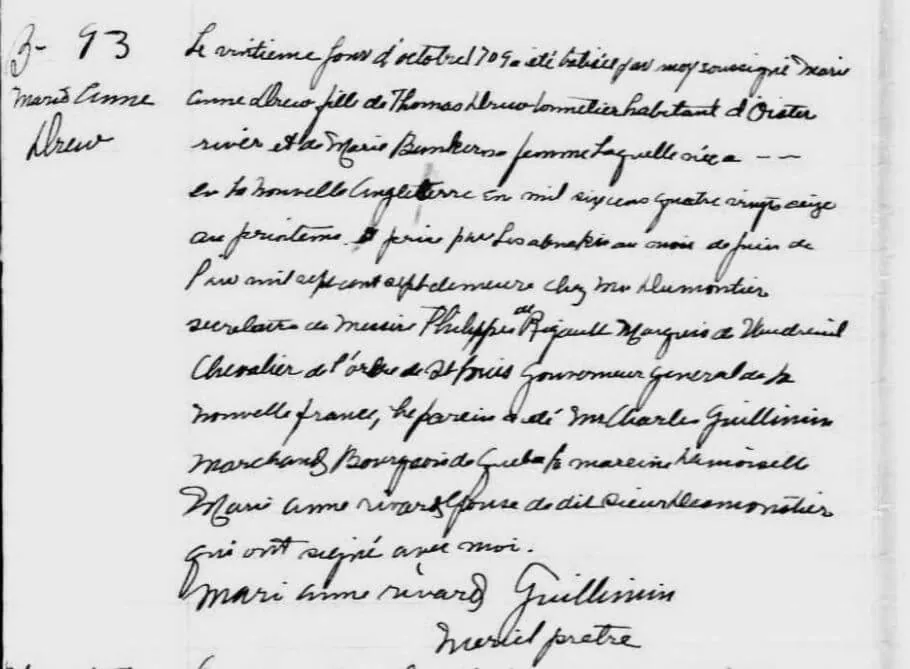
Having grown into an altogether respectable woman, she met one Étienne Lafond, whom she married in 1732. She was reaching the end of her thirties, and it was time for her to settle down.
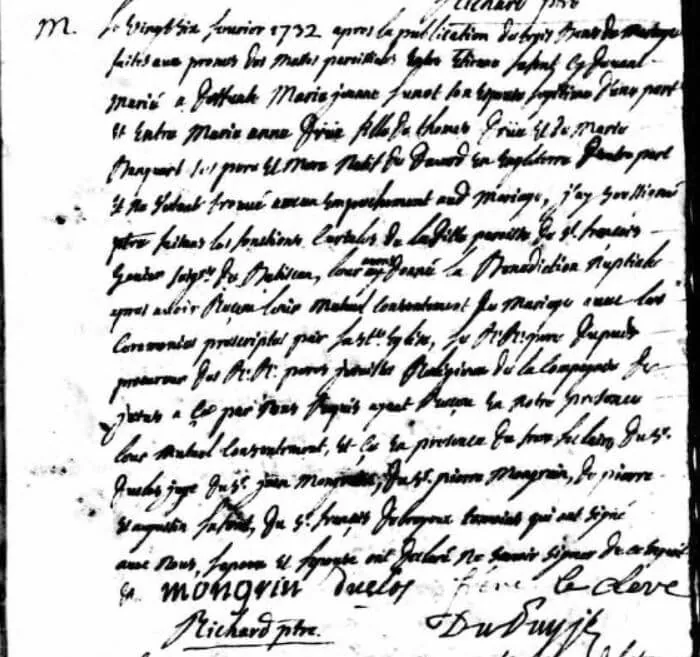
The Lafond-Drew (or Drue) couple had one child, Antoine, born in May 1733. This Antoine had several offspring who settled on the north shore and in the Lanaudière region. Marie Anne herself died in August 1763.
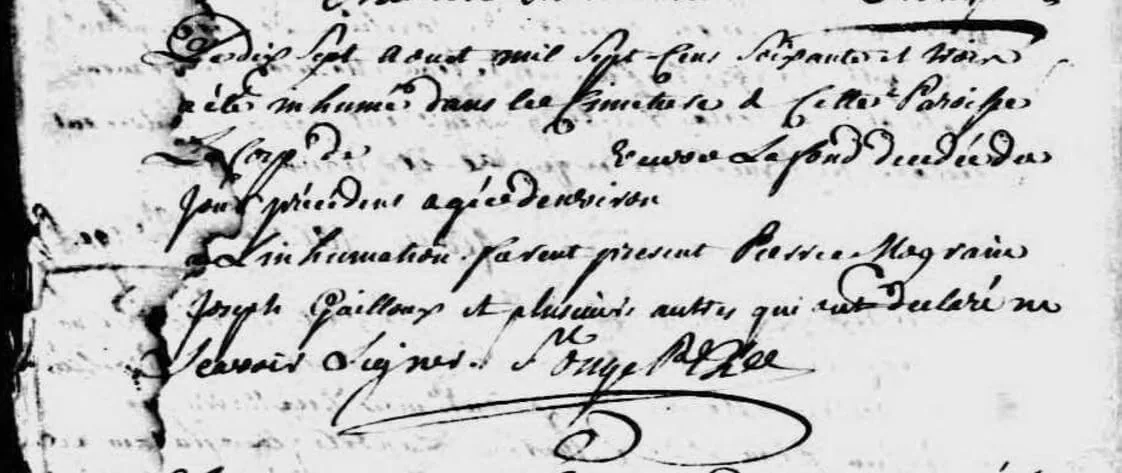
A destiny that saw her born in New England, raised in New France, and that mingled her genes with those of the Lafonds to produce an abundant lineage.
Alain Manset, SHGLB
Where this article sits
Read next
About the Society
A group of volunteers researching, preserving and publishing the history and genealogy of the Lévrard-Becquet seigneury since 2002.
shglb.com/en/enlevees-par-des-abenaquis/