Family names: Lauzon, Habermaker, Manset
Three names and the trades behind them: the lauzon laid flat roofing stones, the Habermacher grew oats, the manset worked a farm holding he did not own. Alain Manset traces his own.
Written in French by Alain Manset, April 26, 2018. Quotations from period documents are left in the original. Lire l’original en français.
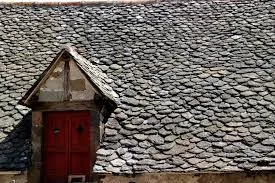
There are many ways to cover a roof: asphalt or cedar shingles, standing-seam or Canadian-style sheet metal, slate, thatch, tile, slate again….
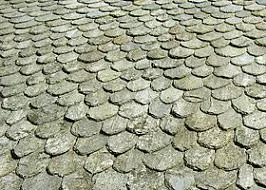
In fact, people used whatever nature offered close at hand. In certain regions, where flat stones were plentiful, that material became the preferred way to cover a roof. Strong, wind- and fire-resistant, long-lasting, a roof of lauzes (flat roofing stones) did have one flaw: its weight. A massive spruce frame was needed to carry tonnes of stone, and laying it was particularly gruelling work.
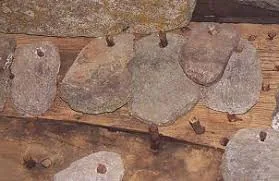
You may already have guessed it: the man who laid those stones was a lauzon. The first Lauzons to reach this country had given up the trade long before, but the nickname stayed with them. There is also a Pierre Laurent dit Lauzon who came from the village of Auzon in France. I cannot say with certainty whether the Lauzons of Saint-Pierre descend from Gilles, who arrived in New France in 1653, from Daniel in 1755, or from Pierre Laurent-Lauzon in that same year.
The Habermachers
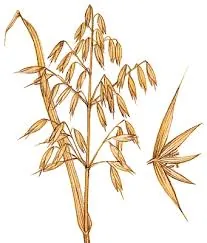
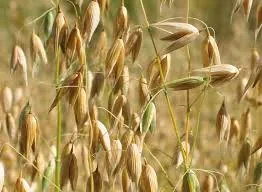
In Old German the word “haber” means “oats,” so a “Habermacher” would be a grower of oats. The genial Hans Rudolph Habermacher and his son Mathieu, of Sainte-Cécile-de-Lévrard, still grow some, though they have become dairy farmers.
Manset
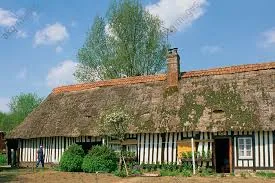
In the south of France, a manse was a farm holding large enough to support a family: the dwelling, the farm buildings, the fields, gardens and orchards. The man who worked it was called a manset, but he did not own it. The seigneur granted him the right to cultivate, and in return the manset owed him a share of the harvest, or time spent working the seigneur's own land: a fair exchange that had to profit both parties. The system worked well throughout the Middle Ages and long after. Those who had nothing but their arms to earn their bread found in it an honourable way to feed their family and give it a measure of security, and a reliable, capable worker was always valued.
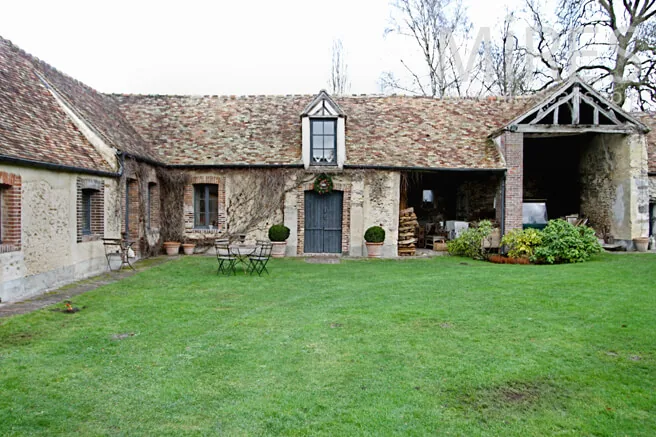
In New France a different system let a man farm land granted by the seigneur in exchange for yearly payments, the cens and the rente (a fixed quit-rent and an annual due). It was officially abolished in 1854, but lingered on for nearly another century.
That is where my name comes from.
Alain Manset, shglb
Where this article sits
Read next
About the Society
A group of volunteers researching, preserving and publishing the history and genealogy of the Lévrard-Becquet seigneury since 2002.
shglb.com/en/des-noms-de-famille-lauzon-habermaker-manset/